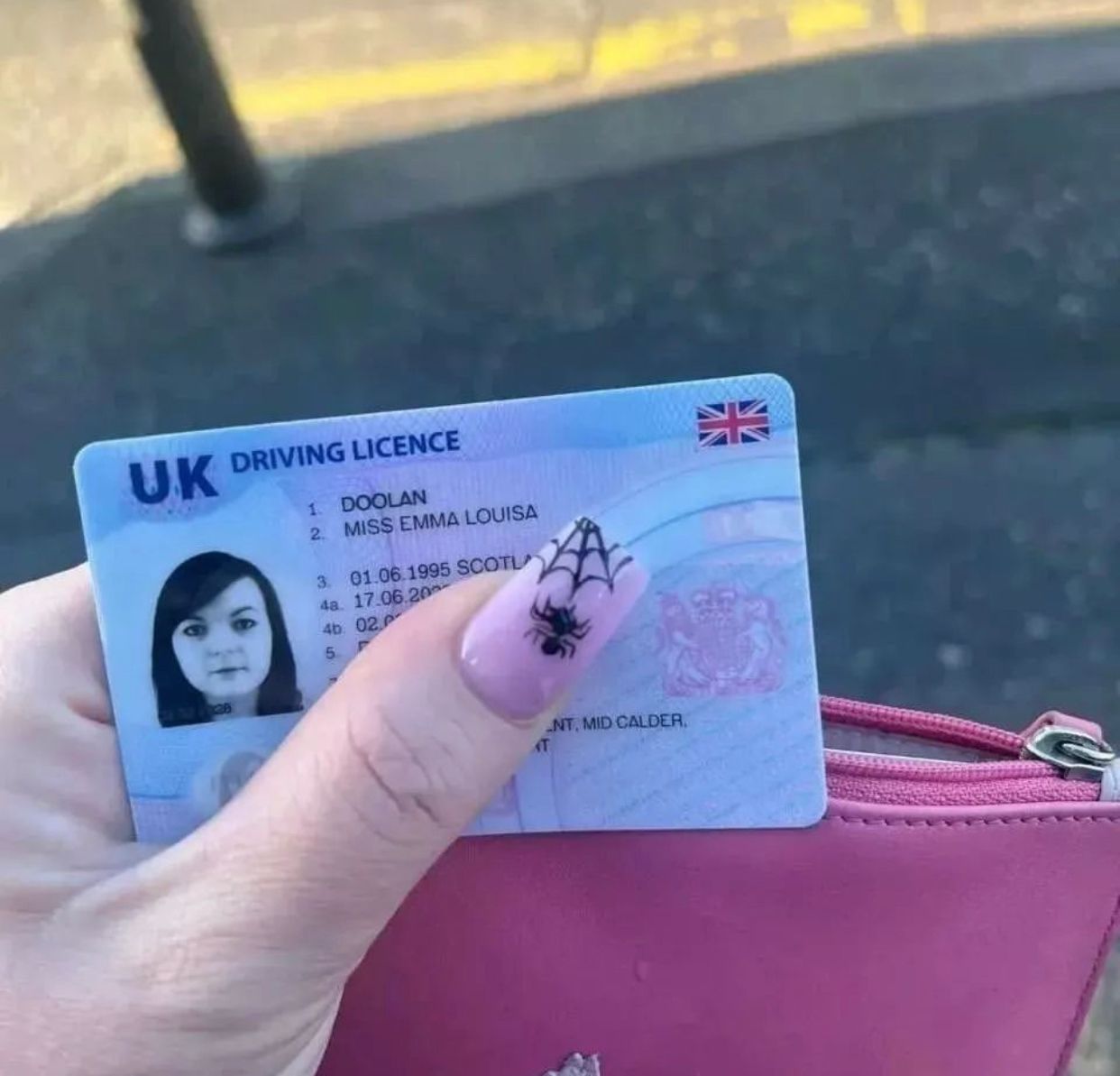
Understanding the UK Driving Licence: A Comprehensive Guide
Navigating the roadways of the United Kingdom needs more than just a great sense of instructions; it mandates a deep understanding of the driving licence system in location. This guide aims not only to elucidate the various elements of the UK driving licence however also to answer typical questions surrounding it, guaranteeing that drivers are educated and road-ready.
The Structure of the UK Driving Licence
The UK driving licence is a crucial file that grants individuals the authority to operate lorries legally on public roads. The licence is typically divided into a number of areas, each serving a special function. Below is a summary of its structure.
Table 1: Types of UK Driving Licences
| Licence Type | Description | Minimum Age |
|---|---|---|
| Provisionary Licence | Permits learners to practice driving with a certified driver. | 17 years |
| Full Driving Licence | Allows the holder to drive without guidance. | 17 years |
| HGV (Heavy Goods Vehicle) Licence | Required for running big industrial lorries. | 18 years |
| PSV (Passenger Service Vehicle) Licence | Required for driving public transport lorries. | 18 years |
| Motorbike Licence | Allows individuals to operate motorcycles, with different categories (A, A1, and A2). | 16 - 24 years (depending upon category) |
The Different Categories of Driving Licences
The UK driving licence system employs a categorised technique to ensure that drivers are fitted to operate specific types of cars. Below are the categories listed under the UK driving licence regime:
- Category B: Cars (as much as 3.5 tonnes)
- Category C: Lorries (over 3.5 tonnes)
- Category D: Buses
- Category A: Motorcycles
Each classification contains subcategories that determine particular weight and traveler limits, enhancing the needed credentials for operating more intricate vehicles.
Obtaining a UK Driving Licence
Obtaining a UK driving licence involves several stages, ensuring that each applicant is proficient and safe to drive. Below is a step-by-step guide detailing the process:
Steps to Obtain a Full UK Driving Licence
- Use for a Provisional Licence: Candidates should make an application for and receive a provisional licence, which allows them to start learning to drive.
- Take Driving Lessons: New drivers are suggested to undertake professional driving lessons from an accredited instructor.
- Prepare for the Theory Test: Candidates should pass a theory test that consists of multiple-choice questions and danger understanding evaluations.
- Take the Practical Driving Test: After passing the theory test, candidates can schedule a useful exam. Real UK Driving Licence involves showing driving efficiency across numerous roadway conditions.
- Get Your Full Licence: Once the useful test is passed, prospects can request a full driving licence, which entails submitting required documents and payments.
Table 2: Driving Test Requirements
| Test Type | Description | Pass Mark | Period |
|---|---|---|---|
| Theory Test | Multiple-choice and risk understanding evaluation | 43 out of 50 | 90 minutes |
| Dry run | Real-world driving abilities assessment | Differs by examiner | 40 minutes |
Keeping Your Driving Licence
After getting your licence, the obligation does not end there. Regular upkeep and following traffic guidelines are vital for keeping a valid driving licence. Here are some suggestions:
- Renewal: Driving licences need to be restored every 10 years for those aged 70 and above or upon expiry.
- Upgrading Personal Information: Any modifications to names, addresses, or medical status should be upgraded promptly.
- Charges and Points: Familiarise yourself with the charge point system. Accumulating 12 points within three years can lead to disqualification.
Table 3: Penalty Points System
| Offense | Points Issued |
|---|---|
| Speeding | 3 - 6 points |
| Driving Under the Influence | 10 points |
| Utilizing a Mobile Phone | 6 points |
| Driving Without Insurance | 6 - 8 points |
Often Asked Questions (FAQ)
Q1: Can I drive in the UK on a foreign licence?
Yes, you can drive in the UK on a foreign licence for as much as 12 months. After that, you must exchange it for a UK licence.
Q2: What occurs if I lose my driving licence?
If your driving licence is lost or stolen, you can apply for a replacement online or by post. Supply needed recognition and pay the associated fee.
Q3: How long does it require to get a driving licence after passing the test?
Typically, it can take up to 3 weeks for the DVLA to send your complete driving licence after an effective dry run.
Q4: Are there unique licences for electric cars and trucks?
Currently, no unique licence is required for driving electric cars and trucks; standard driving policies use.
Q5: Can I drive with a provisionary licence?
Yes, however you must be accompanied by a qualified driver who is over the age of 21 and has held a full driving licence for a minimum of three years.
The UK driving licence system is structured to promote safe driving practices while accommodating a varied series of automobile types and categories. It is crucial for all drivers-- newbies and veterans alike-- to remain abreast of the policies and requirements to stay compliant and safe on the roads. By understanding both the theoretical and practical elements of the UK driving licence, people can with confidence browse their driving journey.